
Understanding Carpal Tunnel & Wrist Pain: Prevention and Treatment

In our modern, fast-paced and tech-driven daily life, wrist pain is getting more common. The long hours spent typing, playing with a mouse, or regular hand movements may cause wrist pain and eventually, cause irritation or the condition known as carpal tunnel syndrome (CTS). Finding out what triggers it, as well as how to identify the symptoms and methods to treat it, will assist in protecting your wrists and hands. What is Carpal Tunnel Syndrome? Carpal Tunnel Syndrome occurs when the median nerve that connects the forearm towards your hand is squeezed at your wrist. This nerve plays a role in sensation and movement throughout the various parts of your hands. If pressure is built up, the nerve can cause the sensation of numbness or tingling. The sensation of pain. Common Signs of CTS What Causes Wrist Pain and CTS? Many factors may be the cause of carpal tunnel syndrome, as well as general wrist pain. How to Prevent Carpal Tunnel Syndrome It is possible to reduce the risk of developing wrist pain by making just a couple of simple changes to your lifestyle: Treatment Options for Wrist Pain Treatment is based on the severity of your symptoms. The Role of Physiotherapy It is usually the most effective method of managing wrist pain, and also prevents CTS from getting worse. A physiotherapist is able to: If you are experiencing wrist pain, you should consult with a professional physiotherapist in Gurgaon, who will help you develop specific treatment plans for quick relief and longer-term wrist well-being. FAQs Do you think carpal tunnel syndrome will disappear by itself? Mild symptoms may ameliorate with time and good posture; however, persisting CTS will require professional treatment. How long will physiotherapy be required to treat CTS?If you follow a consistent treatment plan, the majority of patients see improvement within about 6-8 weeks. Should wrist braces assist?Yes, particularly at night, they help keep your wrist in a neutral position and lessen pressure on nerves. Are exercises able to make CTS more severe?Incorrect exercises may cause worse symptoms. Therefore, the advice of a physiotherapist is essential. Does surgery have to be done every time in the case of CTS?It isn’t, it’s only thought of when conventional treatments do not work.
Dealing with Osteoarthritis: How Physiotherapy Slows Progression & Eases Pain

Osteoarthritis (OA) is an issue that many suffer from when they get older. It occurs when the cartilage, which cushions joints, begins to wear down and causes stiffness, pain and a reduced range of motion. There isn’t an immediate cure for OA, but physiotherapy could help in slowing down the development of OA as well as helping patients keep healthy and at ease. Understanding Osteoarthritis Osteoarthritis typically affects the hand, knees, hips and the spinal column. It is a slow-growing condition, and its symptoms can often be overlooked initially. Signs that are common include: Being able to detect OA earlier is vital. The earlier it’s dealt with, the more likely you are of reducing arthritis and ensuring joints are in good health. How Physiotherapy Can Help The physiotherapy method is non-invasive to treat osteoarthritis and enhance the quality of your lifestyle. A physiotherapist will design an individual program that addresses: Reduce Pain and Inflammation Therapists employ techniques such as heat and cold treatment, ultrasound and electrical stimulation to alleviate joint pain as well as reduce inflammation. This allows you to get more comfortable moving. Strengthen Muscles Around the Joints The stronger muscles can support joints that are weak, decreasing strain and speeding up wear on cartilage. A physiotherapist will design workouts that are specifically tailored to your needs. Improve Flexibility and Mobility Exercises that stretch and increase the range of motion can aid in loosening stiff joints, which makes movement more fluid and less difficult. Improve Balance and Posture Osteoarthritis could affect your ability to sit and move. The physiotherapy program focuses on balance and position to help make daily tasks safer and less uncomfortable. Learn Joint Protection Techniques Physical therapists show you how to safely move, employ aids and devices to support you, as well as perform exercises to help protect joints and avoid further damage. Lifestyle Matters The best results from physiotherapy are when it is combined with simple habits of life. A healthy weight, exercising regularly, as well as taking a balanced and healthy diet, affects the health of joints. If you’re dealing with Osteoarthritis and need individualised care, seeking out a physiotherapist in Gurgaon can assist you in reducing pain, increasing mobility, and stopping the progression of your condition. FAQs What is the best time to practice physical therapy?Typically, 3 sessions a week are recommended for the first time and accompanied by a personal exercise schedule for daily assistance. Are there exercises I can do at home with OA?Your physiotherapist is able to help you do secure and efficient home workouts. Do physiotherapy exercises pose a risk to elderly adults suffering from OA?Absolutely. The exercises are tailored to each person, which makes them suitable and safe for all ages. What is the earliest time I will see improvements?Many patients notice fewer symptoms and greater mobility in the first 4-6 weeks of regular exercise.
What to Do When Your Hip or Knee Starts to Hurt: Early Signs & When to See a Physio

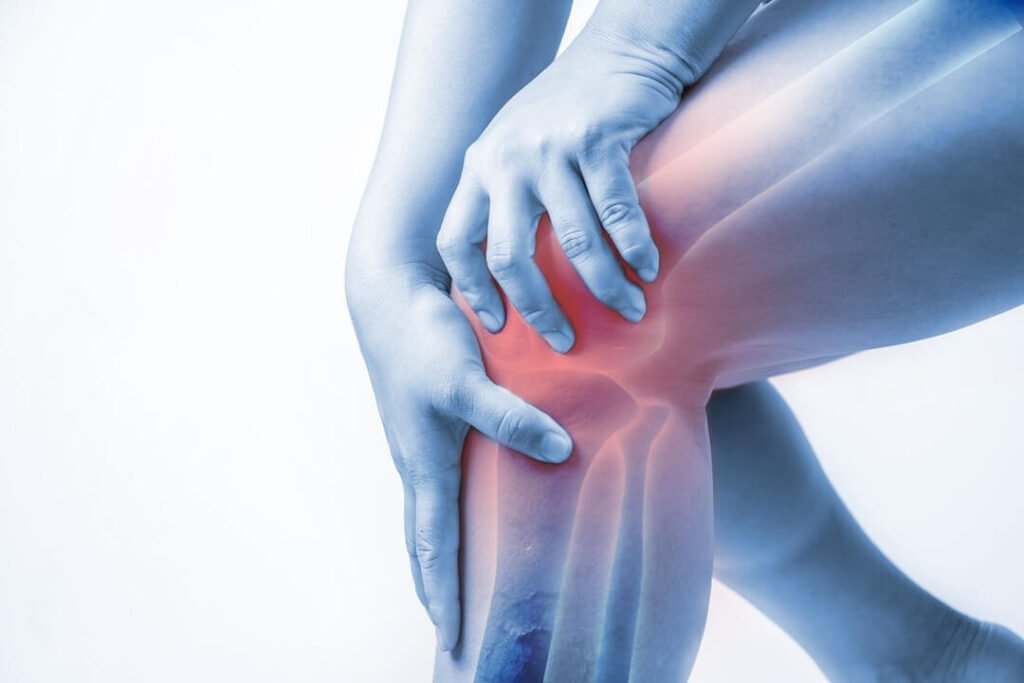
Knee and hip pain is a problem that many have experienced at least once. There can be a persistent discomfort after an extended day or even a painful ache upon stepping up the stairs or stepping out of bed. Although occasional discomfort is common, chronic or serious pain should not be overlooked. Being aware of the signs early and acting quickly can protect the patient from future issues and help you move more comfortably. Early Signs to Watch Out For Being aware of the initial alert signs could help a lot: Common Reasons Your Hips or Knees Hurt The cause of pain can be a variety of causes: Quick Steps to Ease Discomfort If you need professional assistance, however, there are some urgent steps at home.e When to See a Physiotherapist If your pain doesn’t ease after the next few days, or becomes more intense, or is affecting the way you live, you should consult a physical therapist. The physiotherapist can: If you’re suffering from Knee or Hip Pain, getting in touch with a physiotherapist in Gurgaon will help you return to motion in a safe and efficient manner. FAQs 1. What can I do to determine when my knee or hip injury is a serious one? Persistent pain, swelling, or instability in the joint, or difficulty in moving the joint, can be indications to get professional help. 2. Exercise can help relieve knee and hip discomfort. A physiotherapist is able to suggest exercises that strengthen muscles, increase flexibility and ease discomfort. 3. What is the best way to treat heat to relieve joint discomfort? Apply ice to reduce inflammation and swelling. Usually, this happens in the first 48 days. The heat is effective for tight muscles and stiffness. 4. Does physiotherapy aid in relieving arthritis-related discomfort? Absolutely. The physiotherapy method improves joint mobility, reduces pain, and delays the progression of arthritis. 5. What can I do to prevent the pain in my knee or hip? Be sure to maintain a healthy weight and keep active by doing low-impact workouts to strengthen the muscles surrounding your joints.
How Physiotherapy Supports Post-Surgery Recovery: Joint Replacement, ACL & More
Recovery from surgery, whether it’s an operation for joint replacement, ACL repair, or other orthopaedic procedures, may be daunting. Although the procedure can fix the problem, the body needs to be guided in order to recover strength and mobility; this is where physiotherapy can make a huge difference. It can help patients heal faster, get better more efficiently, and prevent the possibility of future issues. Why Physiotherapy Matters After Surgery Surgery is only the beginning process. If you don’t get the proper treatment, it is possible to suffer discomfort, stiffness and delay in recovery. Physical therapy can assist you in: In brief, physiotherapy fills in the gap between surgical procedures and returning to normal activities. Recovering From Joint Replacement The hip or knee replacement usually results in stiff joints as well as weak muscles. A physiotherapist develops a custom program to assist you in: Physiotherapy After ACL Surgery An ACL reconstruction requires careful rehabilitation in order to safeguard the new ligament. Key Rehab Techniques The physiotherapist uses a variety of techniques to accelerate recovery: Long-Term Advantages It’s not just about quick recuperation. It can also help improve the posture of patients, help improve their motion patterns and also help avoid future pain or injury flare-ups. Expert Help in Gurgaon If you want to get the best results, having a qualified professional physiotherapist in Gurgaon will help you recover faster and with less risk. A qualified therapist will create an appropriate plan for the type of surgery you have, your lifestyle, and age, which will allow you to return to your normal routine at ease and in comfort. FAQs What is the best time to begin exercise following the surgery?Most patients begin their therapy within 24 hours. However, always abide by the advice of your doctor. Are the exercises uncomfortable?You may experience some discomfort; nevertheless, exercises are created to be comfortable and safe. What is the time it will take to heal after the joint replacement procedure?It typically takes about 3 to 6 months, based on your body as well as the procedure. Do physiotherapy sessions decrease my use of medication for pain?Yes. The regular sessions can help ease swelling and pain, usually decreasing the need for medications. Do I need therapy if I’m feeling okay?Absolutely. Therapy ensures complete healing that restores strength and helps prevent future issues.
Frozen Shoulder: Signs, Symptoms & Physical Therapy Treatment Options in Gurgaon

What Is Frozen Shoulder? A frozen shoulder, commonly known as adhesive capsulitis, can be painful and cause pain as the shoulder joint is stiff and unable to move. It usually begins slowly but gets worse over time, making routine activities such as getting your hair brushed and dressing or sleeping on the side that is affected painful. This type of condition occurs most commonly in people between the ages of 40 and 60 years old. It can be triggered by injury, surgical procedures, or certain diseases such as diabetes. Common Signs and Symptoms Being aware of the warning signs for frozen shoulder can help you receive prompt treatment as well as avoid issues. Why It Happens The cause of the problem isn’t always evident; however, the most common cause is that the capsule in the shoulder joints thickens and contracts. Risk factors include: How Physical Therapy Helps Physiotherapy is by far the best treatment for frozen shoulders without surgery. A professional physiotherapist will develop an individualised plan that is based on your specific symptoms and the level of healing. Gentle Stretching Gentle, controlled stretching exercises help reduce stiffness and increase flexibility with time. Manual Therapy The hands-on methods of mobilisation of joints, as well as massage for soft tissue, help to ease the pain and help increase mobility. Heat and Cold Applications The heat relaxes shoulder muscles prior to exercise. Ice packs help reduce the inflammation that occurs after exercise. Strengthening Exercises When movement is improved, enlarging the muscles around it helps stabilise the shoulder and avoids any future injuries. Other Treatment Options Sometimes, doctors might suggest pain relievers or corticosteroid injections. However, generally, they’re coupled with physical therapy to achieve the most effective results. Expert Care in Gurgaon If you’re suffering from frozen shoulder, do not wait for it to heal by itself. The sooner you treat it, the faster the recovery process and the discomfort you will experience. A consultation with skilled physiotherapist at physiotherapist in Gurgaon will help you recover your mobility and get back to daily activities sooner and with more ease. FAQs What is the time frame for frozen shoulder healing? Recovery can take between 6 months and two years, based on the type of treatment used and its consistency. Does it heal with or without therapy?It could, however, physical therapy speedens the recovery process and reduces the risk of stiffness for long periods. Do you think frozen shoulder is identical to arthritis?No, the shoulder capsule and not the joint cartilage, is the cause of arthritis. Do exercises cause it to become more difficult?When performed correctly and under the physical therapist’s guidance, exercises can be secure and helpful. Who’s at the highest risk?People suffering from thyroid or diabetes, as well as those who are recovering from surgeries or injuries to the shoulder, are more at risk.
How Regular Physiotherapy Can Prevent Future Injuries?

Discover the top 5 sports that need regular physiotherapy. Get expert care with Sports Physiotherapy in Gurgaon to stay fit & active.
Top 5 Sports That Demand Regular Physiotherapy Support
Discover the top 5 sports that need regular physiotherapy. Get expert care with Sports Physiotherapy in Gurgaon to stay fit & active.
Understanding Neuro Physiotherapy Treatment for Stroke Patients

How Neuro Physiotherapy treatment in Gurgaon helps stroke patients regain movement, strength, and independence with expert care and support.
5 Fitness Goals You Can Achieve with a Physiotherapy Clinic
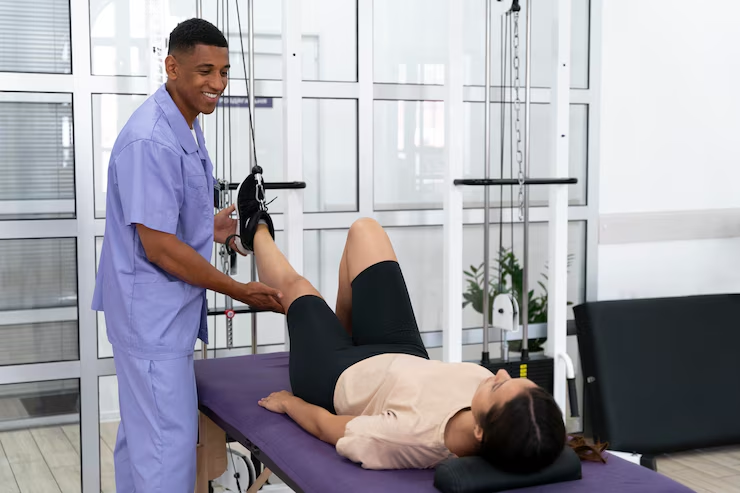
Discover 5 fitness goals you can achieve with a physiotherapy clinic in Gurgaon. Improve strength, flexibility, and recovery with expert care.
Physiotherapy Services vs. Painkillers: Which is the better solution?

The better solution for pain relief—physiotherapy Services vs. Painkillers. Explore expert Physiotherapy Services in Gurgaon with lasting results.