
Home-Based Post-Surgical Physiotherapy Services Available in Gurgaon
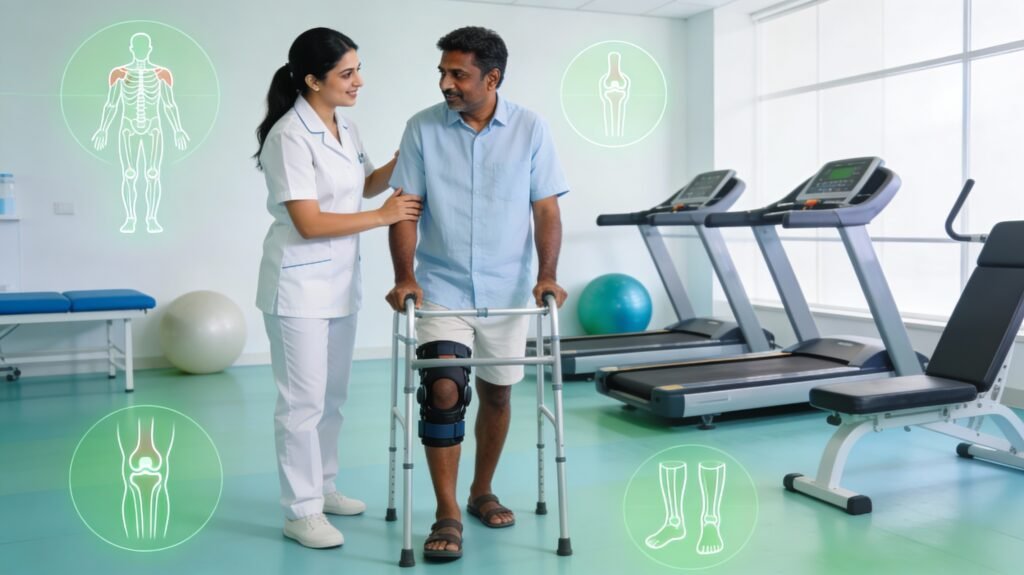
Recovery from surgery isn’t only concerned with medical care, it’s also about comfort, care and a steady direction. Many people living in Gurgaon who leave home following surgery can find it difficult, and even extremely risky. It’s the reason why post-surgical physiotherapy in your home is a well-known choice. By bringing expert treatment right to your doorstep, Patients can recover at home in their familiar surroundings and not have to worry about travelling to a hospital. Why Post-Surgical Physiotherapy Is So Important The Role of Rehab in Recovery After any major operation, it is essential that the body receives the time to recover and correct movement to build fitness. The physiotherapy treatment helps to reduce discomfort, increase range of motion, increase flexibility, and help ensure that healing of the surgical area proper manner. If rehabilitation is not guided, it is often slowed or unfinished. Who Should Consider Home Physiotherapy? Rehab at home is especially beneficial in the following areas: Surgeries That Commonly Require Home Physiotherapy Orthopedic Surgeries Treatments such as hip and knee surgery, spinal surgeries and ACL repair, as well as fracture treatment, rely heavily on physiotherapy in getting back movement and strength. Cardiac Surgeries Following heart surgery, easy breathing exercises and breathing techniques assist patients to gradually rebuild the strength and confidence they lost. Neurological Surgeries People recovering from brain or nerve surgeries typically require assistance in regaining the balance, coordination and control of movement. Abdominal & Thoracic Surgeries The surgeries may affect the way you breathe, posture, as well as overall mobility. These are areas where physiotherapy can play a significant role. Why Home-Based Physiotherapy Helps You Heal Better Comfort Makes a Difference Home treatment allows patients to be more comfortable as they feel secure and feel emotionally supported, all contributing to quicker recovery. Lower Stress, Lower Risk Travelling less can mean less stress on the body as well as a lower chance of sustaining an infection or injuries in the beginning stage of recovery. Focused Attention The therapist at home ensures that the therapy therapist is fully committed to your needs, growth, and also your satisfaction. Family Participation Friends and family members can take part in the exercises and also learn to assist the patient during sessions. This helps make the recovery process more predictable. What You Can Expect From Home Sessions The typical session could consist of: Every treatment plan is custom-made according to the surgery of patient, health, and speed of recovery. Home Physiotherapy in Gurgaon – A Reliable Support System Gurgaon has an extensive group of physiotherapists trained to be experts in post-surgical rehabilitation. Modern techniques, mobile equipment, and individual treatment, at-home therapy make recovery easier and manageable. If you’re in search of a reputable physiotherapist in Gurgaon, the home-based treatments offer ease of use and high-quality clinical care in front of you. FAQs
Best Jaw Exercises for TMJ Pain Relief and Mobility

If you’ve felt any tension or stiffness within your jaw, particularly when eating, speaking, or even yawning, you could be suffering from the TMJ (Temporomandibular Joint) problem. This tiny, but vital joint is what connects your jawbone to the skull. If it is irritated or strained, it may cause pain or clicking sounds as well as headaches. What’s the positive side? If you do the proper Exercise & Fitness Physiotherapy in Gurgaon, it is possible to reduce discomfort, increase jaw motion and return to being normal. What Causes TMJ Pain? TMJ issues can be caused by various stressors and routines. Common causes include: Individuals suffering from TMJ issues often have signs like jaw pain, tightness or difficulty opening the mouth completely or making popping noises as they speak or chew. However, gentle exercises may aid in getting rid of these issues. Best Jaw Exercises to Relieve TMJ Pain Here are a few easy and powerful exercises you could practice at home to help relieve jaw pain and enhance its mobility. 1. Relaxed Jaw Exercise This exercise can help loosen the jaw and ease excessive tension. 2. Goldfish Exercise (Partial Opening) This is a fantastic technique to enhance jaw movement as well as control. 3. Chin Tucks This workout helps to correct bad posture, which can put tension on the jaw. 4. Side-to-Side Jaw Movement This can help strengthen jaw muscles as well as increase your flexibility. 5. Controlled Mouth Opening Tips to Manage TMJ Pain Naturally Just a few lifestyle modifications will help you recover faster and more enjoyably: When to See a Physiotherapist If jaw pain doesn’t disappear or continues to recur, is time to consult a professional physiotherapist in Gurgaon. A physiotherapist who is skilled physiotherapist can assess the severity of your TMJ issue, help you through the right exercises and employ methods that are hands-on to loosen the muscles that are tight and allow for natural jaw movements. If you take the proper care of your jaw, the majority of patients experience improvements in comfort and ease of movement in a matter of weeks. Frequently Asked Questions (FAQs)
How Physiotherapy Helps in Long-Term Ankylosing Spondylitis Management

Being a sufferer of an illness like Ankylosing Spondylitis (AS) can be a struggle. The stiffness, pain and fatigue associated with AS can make simple things like getting up or even walking a distance. Although there isn’t a permanent solution for Ankylosing Spondylitis Treatment in Gurgaon has proved to be among the most effective methods of combating the illness and leading a full, active lifestyle. Understanding Ankylosing Spondylitis Ankylosing Spondylitis is an ongoing inflammatory disorder that primarily affects the spine and joints that connect it with the pelvis. As time passes, the inflammation may cause bones within the spine to become fused and cause the stiffness and loss of flexibility and an incline forward position. But the bright side? By undergoing regular Physiotherapy Services in Gurgaon, the body can be controlled as well and slow progression and allowed your body to move without restriction. How Physiotherapy Makes a Difference The practice of physiotherapy goes beyond simply a series of exercises. It’s a customised strategy to make you move more effectively, feel better and enjoy a life with less pain. This is how: 1. Improves Posture and Flexibility AS may cause your spine to move forward, creating a challenge when standing tall. Physical therapists utilise stretching exercises to ensure your spine stays flexible and aid in maintaining an upright posture. 2. Reduces Pain and Morning Stiffness If you awake with a stiff, sore back, it’s not a problem for you, as it’s among the most frequent symptoms of AS. Regular stretching, gentle movements, as well as manual therapy can help decrease muscle tension, reduce the pain and make waking up more enjoyable. 3. Strengthens Core and Back Muscles A strong core and back are the greatest protection against back pain. Physiotherapy concentrates on building the muscles that support your spine, enhancing your balance and decreasing the pressure on your joints. Simple Lifestyle Tips to Support Your Recovery Physiotherapy is most effective when it’s coupled with a healthy lifestyle. Here are some small modifications that could result in an enormous difference Long-Term Benefits of Physiotherapy It is crucial to be consistent. With time, physiotherapy will help you to: Conclusion The struggle of living with Ankylosing Spondylitis does not have to be being in continuous suffering. By implementing the proper Physiotherapy Treatment in Gurgaon, it is possible to regain control of your body and your everyday life. A highly skilled physiotherapist in Gurgaon will create a plan that meets your requirements, assist you in dealing with your symptoms efficiently, and help you stay active throughout the years. FAQs
How Physiotherapy Can Speed Up Bell’s Palsy Recovery
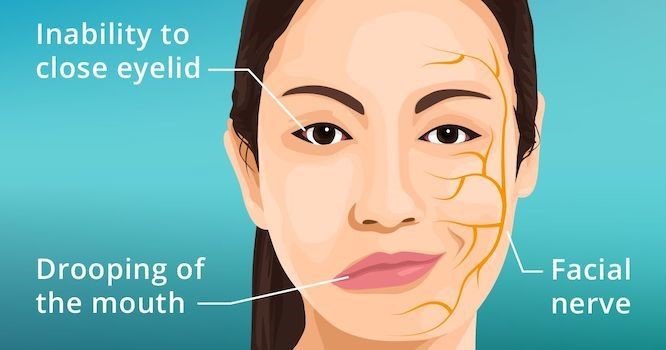
The first thing you notice is that finding that half of the face hasn’t moved could be an incredibly frightening feeling. Simple tasks like blinking or smiling, drinking from a glass, suddenly become challenging. This is what many sufferers of Bell’s Palsy suffer from. Though it’s not a permanent condition in the majority of cases, the road towards recovery may be difficult and uncertain. This is the reason Physiotherapy Treatment in Gurgaon is able to make a significant difference. Understanding Bell’s Palsy Bell’s Palsy occurs is when it occurs when the facial nerve that controls the facial muscles that are located on the opposite the face gets compressed or inflamed. It can cause weakness or even paralysis. It usually occurs in one area. It’s not always easy to pinpoint the cause, but it is often connected to stress, viral infections or a weakened immunity. Good news? Many people fully recover -when they are treated with the Bell’s Palsy therapy program in Gurgaon, it is possible to recover quicker and with greater ease. How Physiotherapy Treatment in Gurgaon Helps You Heal The role of physiotherapy is crucial in the retraining of the facial muscles, enhancing the functioning of the nerves and also stopping the development of long-term stiffness or tension. The physiotherapist isn’t only focused on exercises, but they also assist you in the entire healing process and help your face recover the natural expression and movement. 1. Gentle Facial Exercises 2. Massage and Manual Therapy 3. Nerve Stimulation Techniques 4. Relaxation and Breathing Exercises Why Physiotherapy Matters in Bell’s Palsy Recovery The physiotherapy process doesn’t only help you make the face to move a bit moreit also helps to feel more like you again. The main benefits are: When Should You Start Physiotherapy? It’s recommended that you begin the physiotherapy process as quickly as you can, typically in the first one or two weeks following the diagnosis. Early treatment helps to increase the stimulation of the facial nerve before stiffness begins to develop and gives more effective results overall. Finding the Right Physiotherapist in Gurgaon In the event that you, or someone in your circle, suffers from Bell’s Palsy, do not wait long to seek aid. A skilled professional in physiotherapy in Gurgaon is able to design an individualised recovery program that incorporates facial exercises, mild massages, as well as nerve stimulation techniques that restore your natural movements and self-confidence. A good guideline can speed up recovery and make it easier. Frequently Asked Questions (FAQs)
Top Exercises for ACL Rehabilitation: Regain Strength and Stability

An ACL injury may feel like tension. If it occurred during an athletic event, a fall or an accident, the path for recovery could be difficult. With the correct instructions and exercises to rebuild the strength of your muscles, increase stability and return to routine activities and even sports safely. Physiotherapy is a crucial part of this process. Correct exercises executed consistently don’t just accelerate recovery, but they also aid in preventing future injuries. Understanding ACL Rehabilitation The ACL rehabilitation program is typically done in stages, each of which has distinct goals. A physiotherapist will assist you in each step in order to make sure that recovery is secure and efficient. Essential Exercises for ACL Recovery 1. Quadriceps Strengthening A strong quad can help support your knee and lessen the stress on your ACL. Some simple exercises include: 2. Hamstring Strengthening Hamstrings are a great brace to protect your knees: 3. Balance and Coordination It is crucial to regain balance in order in order to avoid re-injury 4. Low-Impact Cardio Maintain your fitness without putting pressure on your knees. Tips for a Smoother Recovery of ACL Treatment in Gurgaon The process of recovery takes patience, time and commitment. However, with the right exercise to strengthen your knee, you’ll gain endurance, strength, and confidence in your knee. To get personalised advice, speak to the professional physiotherapist in Gurgaon. FAQs
Top 5 Exercises for Rheumatoid Arthritis Relief Recommended by Physiotherapists
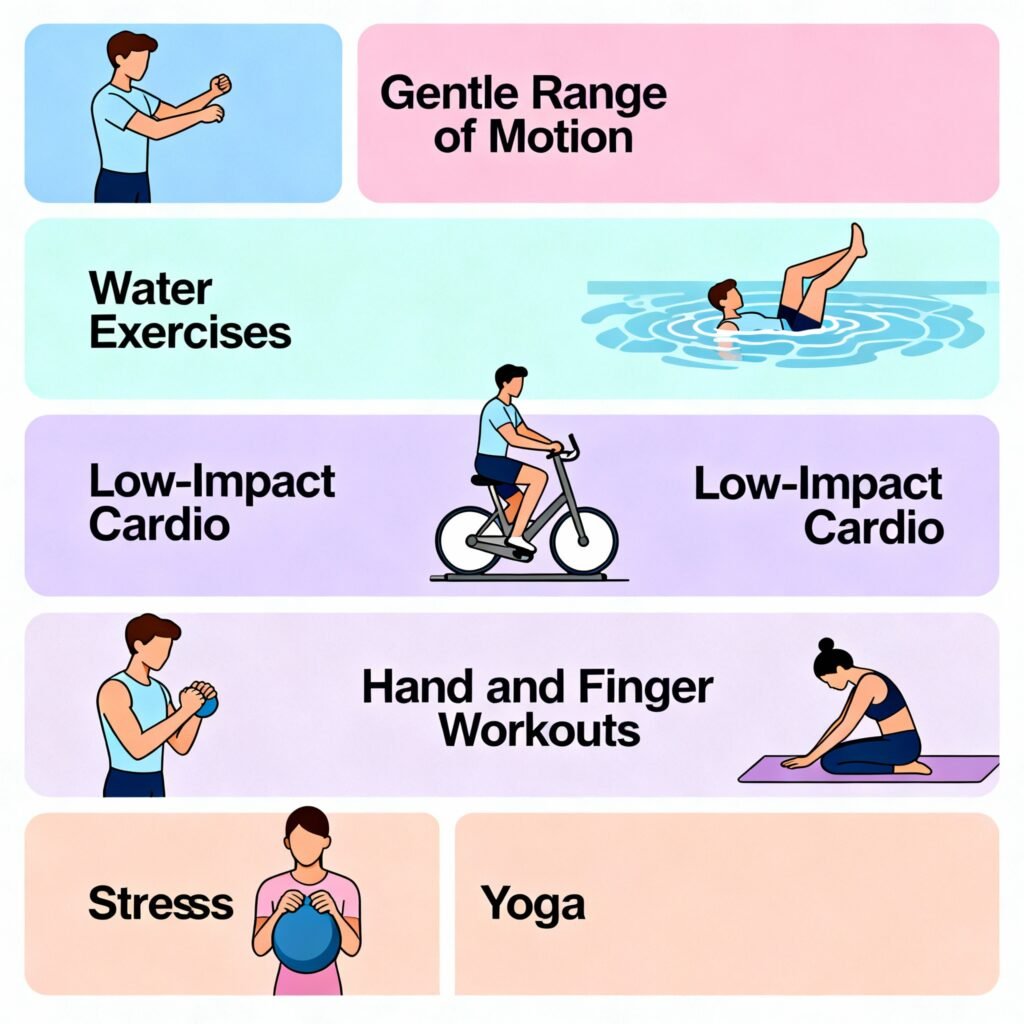
The life of a patient with rheumatoid arthritis (RA) isn’t an easy task, and every step, stretch or move can seem like a struggle. The joints get stiffer and painful, and even simple activities may require extra effort. However, there’s a bright side: movement, if performed correctly, could help to improve your condition. The physiotherapists frequently say that “Motion is lotion for your joints,” and they’re right. Certain exercises will help decrease stiffness, increase the flexibility of your joints, and restore the confidence you have in your body’s ability to move freely. We’ll look at the five most popular exercises suggested by physical therapists that will make a difference in alleviating Rheumatoid Arthritis pain as well as improving the health of joints. 1. Gentle Range of Motion (ROM) Exercises – Keep the Stiffness Away In the event that you get up at dawn and find that your joints feel stiff or stiff, gentle exercises to increase the range of motion can help relax them. The exercises help keep the joints flexible and prevent them from “freezing up.”Do this exercise: Rotate your wrists gradually, move your fingers straight and bent as you move your shoulders in circles, or slowly move your head from in a lateral direction.Physiotherapist’s suggestion: Do these movements gradually and do not force a move that you are not able to. The goal is to maintain flexibility, never pushing yourself beyond your limit. 2. Water Exercises – Let the Pool Take the Pressure Off If your traditional exercise routines or walking cause pain, water may be your most reliable companion. Exercise in warm water helps support your body’s weight, and also takes away the strain on joints, allowing you to be more comfortable and move freely.Try these: Water walking, easy leg kicks, or gentle arm movements within waist-deep waters.Why it works: The buoyancy of the water helps support joints, while the soft resistance will help you strengthen your muscles. It is soothing, safe and extremely effective in RA discomfort relief. 3. Low-Impact Cardio – Move Without Hurting Actively pursuing your goals keeps your energy levels high and your heart healthy. However, high-impact sports like jumping, jogging, or running aren’t recommended for people suffering from RA. Exercises that reduce the impact on your body can be a good option.Try these options: Brisk walking, stationary cycling, or an exercise elliptical.Tip from physical therapists: Start with small steps. A little bit of time every day can make a big change. Increase your time and be aware of your body. If you feel something is hurting, take it easy. 4. Hand and Finger Workouts – Strengthen Your Grip Rheumatoid arthritis often affects the joints in the smaller part of the hands, which makes daily tasks like buttoning up a shirt or securing a drink hard. Easy hand exercises are a great way to maintain flexibility and power.Try these: Squeeze a soft ball with your hands gently, spread your fingers, then place each fingertip on your thumb, one at a time.Physiotherapist’s note: Don’t rush it — just a few moments every day will maintain your fingers’ nimbleness and health. 5. Yoga and Mindful Movement – Relax, Stretch, and Heal Yoga is more than just exercise; it’s a therapy for your mind and body. It allows you to move with ease and stretch joints, and relax your nerves.Try these postures: Cat-Cow, Child’s Pose and Bridge Pose, which are all easy and relaxing.Why physiotherapists adore the practice. It not only enhances flexibility but also decreases stress hormones, which can cause more severe inflammation. Final Thoughts Rheumatoid arthritis is working in conjunction with the body rather than in opposition to it. The idea of exercising can seem daunting initially, but after you begin moving, your body will begin to appreciate it. Each little step is important -even during the worst days. Don’t forget that it’s not necessary to do it all on your own. A certified professional in physiotherapy in Gurgaon will help you through safe, customised exercise routines that match your life and your comfort level. With the correct assistance, you’ll be able to perform your exercises with less discomfort and greater confidence throughout the day. Frequently Asked Questions (FAQs) Does exercise actually help in reducing the pain of rheumatoid arthritis?Yes Absolutely. Exercise regularly, with a gentle touch, will reduce stiffness, strengthen muscles and decrease joint pain as time passes. What kinds of exercise do I need to avoid?Avoid the most jerky, high-impact activities like jumping or running, since they create too much stress on joints. Are swimming exercises beneficial for the rheumatoid joint?Definitely! Water and swimming are among the safest and most efficient workouts for individuals suffering from RA. What can I do when I experience an injury during training?Stop immediately and relax. It’s your body’s way of telling you that you’ve done enough. Resume your exercise only after the pain decreases. What can a physiotherapist do to assist me with joint pain?A physical therapist will create a personalised strategy, train you in proper technique and track your progress, ensuring that each move is beneficial and does not cause harm.
Sports Injury Recovery: Why Early Physiotherapy Matters

Injuries are the norm for athletes. Whether you are playing casually during the weekend or play professionally, a strain, twist, sprain, or strain could throw your entire routine off track. The recovery process from injury does not mean just taking a break and hoping that it will heal. The time of your physiotherapy sessions will make all the difference. It is important to start early so that you can recover faster, prevent chronic problems and get back to what you enjoy. What Happens When You Get Injured? If you get injured during sport, it’s generally your ligaments, muscles, joints, or tendons which are impacted. Though some injuries appear to be minor, neglecting treatment could lead to the development of complications such as arthritis, chronic pain or more severe injuries later. A few of the most commonly reported sports injuries are: Why Early Physiotherapy Is a Game-Changer The earlier you get started with physical therapy, the better. The sooner you start treatment, the less inflammation, ease pain, as well as prevent muscles and joints from gaining stiffness. If you wait too long, it could make your recovery more difficult and longer, while beginning quickly can put you on the quickest path to getting back into shape. Benefits of Acting Early: Personalised Care Matters There are no two injuries that are exactly the same. A physiotherapist evaluates the condition and creates a program which is appropriate for the body as well as your sport. The plan could involve the stretching of muscles, strength training, as well as balance exercises, manual therapy, and even hydrotherapy. Through this process, you’ll also discover how to protect yourself from injuries that could occur in the future. This is an essential aspect of staying healthy in the long run. If you live in the Gurgaon region, seeing a physiotherapist at Gurgaon will ensure that your healing is supervised by specialists who are knowledgeable about sports injuries. A prompt intervention will not only help to heal quickly but also allow you to return to play in a safe and efficient manner. FAQs When should I begin physiotherapy following the injury? Within 1-3 days for injuries that are minor, or immediately for more severe injuries. Early treatment prevents problems. Do physiotherapy and physiotherapy work in conjunction with surgical procedures?Sometimes the answer is yes. Mobility and strength exercises may help reduce the need for surgical intervention in some injuries. Does physiotherapy cause pain?It might feel a bit discomfort at times; however, treatments are adapted to suit your needs while helping to heal. How long does the recovery take?It is dependent on the type of injuries. A minor strain can heal in some weeks; however, severe injuries may last for a long time. Am I able to resume the sport immediately after receiving physical therapy?No. The physiotherapist will help you make a gradual return to your body, making sure the body is prepared to prevent re-injury.
How Stress and Poor Posture Contribute to Cervical Spine Degeneration
Your neck is an incredible component that is a vital part of you. It holds your head in place, it helps turn and tilt, as well as safeguards the vital nerves connecting your brain with the other parts of the body. However, many of us do not realise that we have put the neck region that is constantly under constant stress. Two of the most common causes? The most significant culprits are stress and bad posture. Stress: More Than Just a Mental Burden Everyone is aware that stress can affect the way we feel; however, it can also affect our bodies, particularly the neck. When you’re stressed out, the muscles will naturally tighten, specifically around the shoulder and neck. In constant tension, it can push the cervical vertebrae from proper alignment, cause discs to strain, and even irritate nerves. In time, the damage that this strain causes can cause pain, stiffness, as well as headaches. Because stress can make us slump or hunch our shoulders across our screens or jaws to clench and jaws, it can add tension to an already stressed neck. Poor Posture: The Silent Spine Saboteur The way you sit may not seem like an issue; however, it could have a significant impact on the health of your neck. Take a look at how many hours you are gazing at your phone or laptop each day. The forward head position, also known as “tech neck,” shifts your head’s weight to the side, placing 5-6 times more stress on your neck as compared to if your head were perfectly set. Standing or sitting in this way for a long time reduces the strength of the muscles supporting your neck. They also strain discs, which could result in bone spurs or nerve irritation. In time, this gradual injury can transform mild discomfort into constant pain. When Stress and Posture Work Together The effects of stress and posture problems frequently go hand-in-hand. When you feel stressed, it causes you to lean forward or slump, as slouching causes tension in your muscles and causes discomfort. The cycle speeds up the process of degeneration within the cervical spine. It makes the cervical spine more prone to stiffness, pain and a decrease in mobility. What You Can Do What’s good? You have a lot that you can take to help slow cervical spinal degeneration. Simple adjustments like adjusting your posture, taking a break to avoid screens, or performing easy neck exercises can aid. Techniques for managing stress, such as meditation, deep breathing or even light yoga, can help ease neck tension. Intensifying your upper neck and back muscles is another important step. If you’re experiencing pain If you’re experiencing discomfort, an expert approach is recommended. A Physiotherapist in Gurgaon can help you through a series of exercises that are customised for your needs to correct posture, as well as methods to relieve stress on the cervical spine and increase the overall health of your body. FAQs Does stress actually cause damage to your neck?Yes. Stress over time tightens the neck muscles and may cause spine disalignment. This speeds up damage and wear. How can I tell whether my posture is causing harm to the neck?Signs are a forward tilt of the head and rounded shoulders. You may also notice neck stiffness, headaches or even tingling sensations in your arms. Are there exercises I can do that can help me protect my cervical spinal column?Yes! Soft stretches, shoulder blade squeezes and strengthening of the upper back aid in maintaining neck health. Can stress reduction help my neck pain?Definitely. Relaxation techniques help reduce tension in muscles and ease tension on the cervical spine. What is the best time to see a professional physiotherapist?If neck pain continues, restricts movements, or triggers discomfort in your hands or arms, then it’s time to see a professional physiotherapist.
Boosting Immune Health Naturally While Managing Rheumatoid Arthritis

The life of a person with Rheumatoid arthritis (RA) is sometimes like an ongoing balancing act. There’s joint pain, fatigue and inflammation, all as you try to ensure your body is healthy and your immunity at bay. RA is an autoimmune disease, and the body’s defence mechanism misguides itself and attacks the joints. This is why an immune balance is extremely crucial. Although medications can help reduce flare-ups and inflammation, small changes in lifestyle, as well as natural practices, can help in helping the body recover and remain robust. 1. Eat for Healing: Select foods to fight inflammation The food you consume can have an enormous influence on your mood. Diets that are rich in color fruits, vegetables with a leaf as well as whole grains and healthy fats, provide your body with the energy it requires. The foods you eat, like garlic, turmeric and ginger, salmon, flaxseeds and walnuts, possess the natural properties of anti-inflammatories that help alleviate swelling and stiffness.Try following the Mediterranean diet -Think of olive oil, lentils, beans, fresh vegetables, and even fish. While you’re at it, you should cut back on sweet snacks, processed food, as well as red meat because they trigger inflammation and delay the healing process. 2. Keep Moving — Gentle Exercise for Joint Relief Even if you’re stiff, a gentle move can change your life. Activities like swimming, yoga and walking or even light stretching can help keep joints and muscles in good shape. Exercise also boosts the flow of blood and increases your mood. This, in turn, helps the immunity.A physiotherapist will assist you in finding suitable exercises for your fitness and condition. Regular exercise not only eases discomfort, but it also makes you feel more active and comfortable in your daily activities. 3. Calm Your Mind — Stress Less, Heal More Stress and RA are not a good match. If you’re stressed out, the body produces hormones that cause inflammation, which can cause symptoms to worsen. Find ways to relaxfor example, through yoga, meditation, or even just taking a walk, is a great way to help you make a difference.Also, take note of the benefits of a good night’s sleep. Make sure you sleep for at least seven nights of uninterrupted sleep. The body repairs itself, recharges itself, and builds your immunity while you sleep. 4. Stay Hydrated and Naturally Detoxify The water in your joints keeps them in good condition and assists in flushing out any toxins which be accumulated as a result of chronic inflammation. Drink 8-10 glasses of water a day. Herbal teas that contain ginger, turmeric or green tea are excellent healthy detox alternatives too. They reduce inflammation and boost general well-being. 5. Healthy Habits for a Stronger Immune System Every day choices can make a difference. Stop smoking cigarettes if you are able to restrict alcohol and make sure you are getting enough sunshine to get vitamin D. The small changes you make could boost energy and immunity levels. It is also possible to consider taking supplements for vitamin D, vitamin C, and zinc — however, always consult your physician before making any decisions. The right lifestyle choices can help boost your immune system and make it more stable, and make arthritis-related symptoms less difficult to control. The treatment of rheumatoid arthritis isn’t solely about managing painit’s about establishing the right lifestyle to help your body recover naturally. Combining medical treatments with healthy, natural lifestyles will help you get more control over your overall health. If you’re seeking an expert guide and customised exercises to improve joints and general wellness, seeking out a professional physiotherapist in Gurgaon could be the perfect step towards an active and pain-free life. FAQs Can eating a healthy diet help with rheumatoid arthritis?Yes. An anti-inflammatory, nutritious diet helps reduce stiffness, pain and fatigue as well as boost the immune system. What kind of workout is most suitable for RA?Low-impact, gentle exercises such as swimming, yoga and walking can help improve mobility and flexibility without stressing joints. What are the effects of stress on the rheumatoid joint?Stress causes inflammation throughout the body. It can trigger inflammation or a worsening of joint pain. Are herbal remedies safe when combined with RA medicine?Some do, but make sure to check with your physiotherapist or doctor before taking supplements or other herbs to your treatment. Does better sleep boost your immunity, RA?Absolutely. Sleeping in a deep, peaceful sleep helps your body to heal itself, decreases inflammation and boosts the immune system.
Top Exercises to Improve Flexibility and Strength for Cervical Spondylosis

Cervical Spondylosis, also known as the wear and tear of ageing necks it is more frequent than you may believe. It could cause head pain, neck stiffness and even numbness, tingling, or pain in the arms if untreated. But the bright side? By doing the correct exercises, you’ll be able to reduce discomfort, increase your flexibility and build the muscles that support your neck. Below is a list of some of the more efficient exercises that you can do from the comfort of your own home. 1. Chin Tucks – Align Your Neck Chin tucks work well for fixing posture and easing tension. How do you get it: This workout strengthens your deep neck muscles and can help ensure that your spine is properly aligned, and reduce persistent stiffness. 2. Shoulder Blade Squeeze – Strengthen Your Upper Back An upright upper back helps support the neck and stops slouching. What is it: Regularly doing this can help ease tension and improve posture with time. 3. Side Neck Stretch – Gentle Flexibility Boost This stretch is targeted at the sides of your neck and helps improve your lateral mobility. What is it: Be patient and do not force your stretch. Gentle movements are the key. 4. Isometric Neck Exercises – Build Strength Safely The exercises for neck strengthening strengthen muscles, but without excessive movements. What to do: It helps to maintain your neck’s stability and keeps tension low. 5. Shoulder Rolls – Release Tension Simple, but effective method to ease the muscles that are tight within your neck and shoulders. How do you get it: It’s an easy way to relax when you’ve spent a long time at an office or even on the phone. Get Professional Guidance While these workouts can be done safely for a majority of individuals but doing them properly is essential. A physiotherapist in Gurgaon can develop an individual program, make sure you have that you are in a good posture, and guide you through exercises to relieve the pain and avoid further neck injuries. FAQs Are exercises able to cure cervical spondylosis?Exercises don’t cure the condition. However, they do help reduce pain, increase mobility, and stop it from getting worse. What is the best time to work out the neck?Daily moderate exercises lasting between 15 and 20 minutes are ideal to keep your neck strong and flexible. What activities should I steer clear of?Avoid fast jerky movements, heavy lifting or exercises that are high impact in the absence of supervision. Can yoga help treat neck spondylosis?Yes! Yoga poses that are gentle, such as cat-cow and neck stretches, aid in physiotherapy and help improve flexibility. Do I need to visit a professional physiotherapist?If there is constant pain, numbness, and weakness or even dizziness, seek out a physiotherapist immediately.