
Slip Disc Treatment with Physiotherapy: Safe & Effective Recovery Options
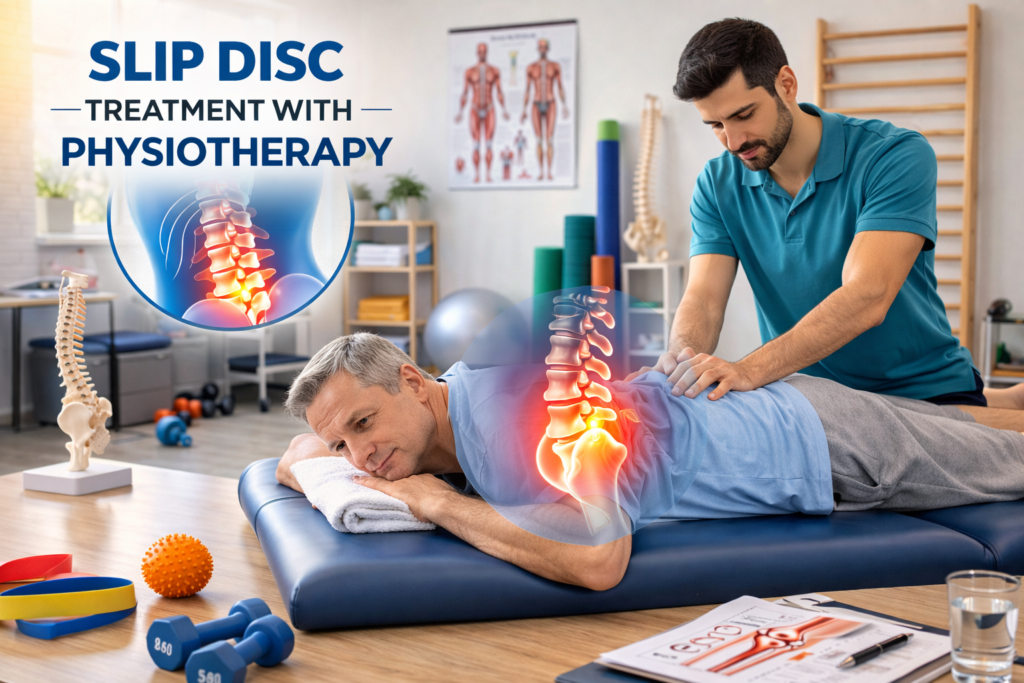
The back pain can be a burden, particularly when it begins impacting your routines as well as sleep and work. One of the main causes of back pain is a slipped disc. This happens when the disc-like cushion between the bones of the spine shifts from its place and puts pressure on nearby nerves. It is good to know that, in the majority of cases, the surgery will not be required. When you take the proper method, slip disc physiotherapy treatment helps you to recover quickly and efficiently. The focus of physiotherapy is on relieving discomfort, improving mobility and improving the strength of the spinal column in a natural way. It’s considered to be one of the most effective and safe options to treat disc-related issues. What Happens During What Happens in Slip Disc? The spinal column is comprised of tiny bones, called vertebrae. Between them, there are discs with soft tissues that serve to absorb shock. If the disc is bulging or moves out of its place and becomes displaced, it may cause irritation of nearby nerves. The result could be: Beginning the physiotherapy treatment for slip discs in the early stages can stop it from getting worse and can ease long-term pain. The physiotherapy approach can help you recover. Treatment for Pain Without Surgery One of the major purposes of slip disc physiotherapy treatment without relying extensively on medications. Therapists employ techniques such as the use of heat therapy, electrotherapy, soft manual therapy and stretching to lessen the pressure on nerves and inflammation. They help you to be comfortable enough to begin getting moving. The Spine is strengthened. The weak muscles in the abdomen and back can create pressure on the spine. If you have a well-planned rehabilitation regimen includes exercises to help strengthen the muscles supporting these. When your core gets more robust, your spine becomes more stable, which decreases inflammation and can prevent further injury. Improved flexibility and posture Incorrect posture can often be the cause of disc issues. Being in a seated position for long periods or improperly bending can stress the spine. By guiding stretches and correcting posture, slip disc physiotherapy treatment helps improve alignment and flexibility. The patients are also taught to sit, stand and safely lift items. Personalised Exercise Plan Everyone’s health is different. So, the slip disc physiotherapy treatment is always individualised. The physiotherapist will evaluate the severity of your injuries along with your lifestyle and limitations prior to determining the best treatment. A typical program might comprise: It is crucial to be consistent. When it is followed consistently, slip disc physiotherapy treatment is likely to bring significant improvements within just a couple of weeks. Long-Term Benefits A lot of patients opt to undergo slip disc physiotherapy treatment due to its focus on healing over short-term relief. This helps to return to everyday activities with greater fitness and awareness of movement. In time, this strategy lowers the risk that the condition will recur. If you’re experiencing constant back pain, a certified Physiotherapist in Gurgaon can assist you in identifying the cause as well as a secure recovery plan specific to your preferences. FAQs
Knee Pain Physiotherapy: Exercises That Actually Work
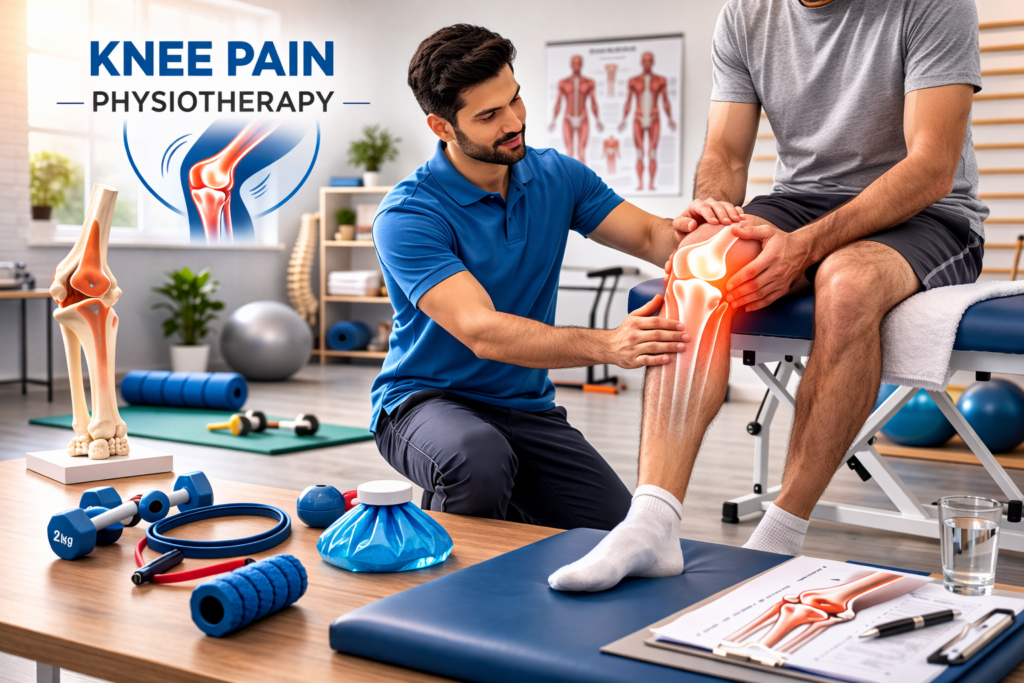
Knee pain can be more prevalent than many people imagine. The pain can begin as a mild discomfort as you climb steps, stepping up from the couch or after working for a long time. As time passes, that little pain can escalate into swelling, stiffness and ongoing discomfort. It’s good to know that you do not need an operation or medication that is a lot of weight. In many instances, knee pain physiotherapy could make a significant permanent change. The primary goal in knee pain physiotherapy is not for pain relief but also to tackle the real cause of the issue. If your discomfort is related to joint weakness, arthritis injury, or even long-term sitting, the correct exercises will help you get moving more comfortably. What are the benefits of exercise for knee pain? People tend to avoid moving due to knee pain. Even though resting can be beneficial, a complete absence of activity can increase the severity of the problem. Inactive muscles around the knee can cause stress to the joint. This is when knee pain physiotherapy is essential. The focus is upon strengthening muscles which provide support to the knee, enhancing the flexibility of the knee, as well as correcting movement patterns. If you follow a correct knee pain physiotherapy strategy, you gradually increase your strength, without placing more pressure on the joint. Exercises are secure, controlled and designed in accordance with the condition of your knee. Exercises that actually work Here are a few easy yet effective exercises that are often used in the knee pain physiotherapy programmes: 1. Straight Leg Raise This is often one of the very first exercises suggested in knee pain physiotherapy. Lie on your back, maintain your leg straight, then gently lift it up. For a few seconds, hold it, then slowly lower it. This helps strengthen the thigh muscles in front and plays a significant part in supporting the knee. 2. Hamstring Stretch A tight thigh muscle may increase strain on the knee. The gentle stretching helps improve flexibility as well as reduce stiffness. Regular stretching is a crucial element of knee pain physiotherapy and can help improve overall mobility. 3. Wall-Supported Mini Squats Place your back against the wall. Gradually lower yourself into a tiny squat. Do this for a few seconds before returning to standing. This will strengthen both the thighs and the hips. These are essential to long-term success in the treatment of knee pain. 4. Step-Ups Utilising a lower step, then slowly go upwards and downwards with control. This increases balance and builds muscles supporting it. If you are progressing into knee pain physiotherapy exercises, it helps to restore your confidence during daily tasks like climbing the stairs. 5. Glute Bridges Hips that are weak can cause knee pain. Bridges that strengthen the hip muscles, reducing any unnecessary strain placed on the knee. An effective knee pain physiotherapy practice always looks at more than just the knee joints. The most important thing is consistency. One of the main reasons why people aren’t fully recovered is their inconsistency. In the beginning, doing exercises for a couple of days, then stopping, will not yield lasting benefits. Knee pain physiotherapy is most effective when it’s carried out regularly and in proper techniques. The most notable benefits are: If you are patient and time-bound, knee pain physiotherapy can greatly improve the quality of your life. The time to seek professional assistance If knee pain continues to get worse or is affecting your daily activities. It is recommended to see an expert. A skilled professional physiotherapist in Gurgaon is able to assess your situation and formulate your own personal knee pain treatment strategy according to your specific needs as well as your personal lifestyle. Professional guidance will ensure that you do the correct exercises correctly, and speeds the recovery process and stop further harm from occurring. FAQs
Pediatric Physiotherapy: Helping Children Grow Strong & Active

The moment your child takes the first steps, sprints through the parks or ascends the first steps is a precious moment that parents cherish for all their lives. However, sometimes, your child might struggle with their movement, balance or even strength. If milestones seem to be unfinished or movement seems challenging, it could be concerning. That’s when pediatric physiotherapy is able to help — not only as a therapy, but also as a helpful process to improve growth and self-confidence. Pediatric physiotherapy is specifically designed to help children, infants and teens who require assistance with their physical development. It is focused on enhancing strength and coordination, posture, as well as mobility in a manner which is comfortable and enjoyable. As opposed to adult therapy, these sessions tend to be play-based and full of games, fun equipment, and activities that ensure that children are entertained and learning how to move more effectively. Understanding pediatric physiotherapy In the end, pediatric physiotherapy involves helping children reach their full physical potential. Certain children might require treatment due to developmental issues, and others could need help following injuries or surgeries. Children can benefit from pediatric physiotherapy when they suffer from: A prompt and timely intervention through physical therapy for children helps prevent minor problems that could become long-term issues. What Pediatric Physiotherapy Can Make a Difference The Strength that builds confidence Easy exercises for pediatric physiotherapy are carefully designed to increase strength and agility. When children grow physically stronger and more flexible, they feel more confident in their movement. Greater Balance and better coordination Children strugglewithn coordination, often without realising that they do. Through exciting balancing games and guided exercise, pediatric physiotherapy assists them to move with more ease and in a safe manner. Assisting in everyday activities From properly holding a pencil and running while playing sports, the physiotherapy of children helps improve gross and fine motor skills. This makes everyday living easier and more pleasurable. The emotional growth of children is important too. The physical progress of children often results in psychological improvement. As children progress through physical therapy for their children as they grow, they are more at ease in the classroom, play areas, and social settings. What happens during a session? A common pediatric physiotherapy session doesn’t feel like a typical hospital visit. It could be: Therapists employ innovative methods in order to ensure the physiotherapy of children is enjoyable and free of stress. The significance of early Care One of the most significant benefits of Pediatric Physiotherapy is the early intervention. If a problem is identified early and identified, the simpler it will be to ensure an appropriate growth. Parents should seek help if they are noticing unusual posture and/or movement issues, or other delays when compared with others of similar age. Finding the Support You Need The choice of the right expert can help make a difference. A reputable physiotherapist in Gurgaon will assess the child’s needs and develop an individual pediatric physiotherapy strategy. With the right care and assistance, kids can conquer physical difficulties and become physically active, healthy individuals. FAQs
Signs of Serious Hip Problems: When to See a Physiotherapist

It is common for hip pain to start quietly. It may appear as mild stiffness or even a slight ache following an extended day. A lot of people avoid it in hopes that it will go away on its own pace. But persistent discomfort could cause the first Signs of hip problems that shouldn’t be missed. Looking for the Hip pain physiotherapy at the appropriate time is a way to prevent chronic discomfort and issues with mobility. Why Hip Pain Should Be Taken Seriously The hip joint is responsible for the majority of routine activities like sitting, walking, and even bending. The cause of pain can be bad posture, insufficient exercise, sports injuries or age-related modifications. If pain is frequent, Hip pain physiotherapy assists in identifying the primary reason instead of merely concealing the signs. A few common warning indicators include: Common Signs of hip problems, which can get worse in the absence of treatment. Symptoms That Suggest a Serious Hip Condition The pain in the hip is not always unaffected. A sharp pain, a weakening, or an inability to bear weight could suggest joint inflammation or degeneration. If this is the case, it’s best to start early. Hip pain physiotherapy may help to aid in protecting the joint and accelerate the recovery. Be attentive if you spot: The hip requires professional attention and not just rest. When to See a Physiotherapist for Hip Pain Being aware of when to see a physiotherapist for hip pain is essential for the prevention of persistent issues. If the pain persists for more than a week or is constantly coming back, it’s time to get it checked out. A lot of people put off treatment. However, Hip pain physiotherapy is most effective when it’s initiated in the early hours. It is important to consider when to see a physiotherapist for hip pain: Quickly, hip pain physiotherapy helps improve flexibility, strength, and confidence when moving. How Physiotherapy Supports Hip Recovery An individual hip pain physiotherapy program concentrates on pain relief and the long-term health of joints. Treatment can include light movements, manual therapy, the correction of posture, and the training of mobility. In time, Hip pain physiotherapy improves the balance of the body and helps prevent any future flare-ups. These benefits usually consist of: Continuous hip pain and physiotherapy assist patients in returning to their normal activities without the fear of suffering. Take Action Before Hip Pain Gets Worse The inability to treat hip pain properly could result in long-term stiffness and decreased mobility. Being aware of when to see a physiotherapist for hip pain helps you recover quickly and easily. If the discomfort persists, seeking physiotherapy treatment for hip pain by a reliable physiotherapist in Gurgaon will allow you to recover your mobility, comfort and self-confidence. FAQs
When Should You Start Physiotherapy After Fracture? Expert Tips

A fracture may quickly slow down your day-to-day activities. Simple activities like carrying objects, walking or sitting for a long time can turn into a challenge. Although bone healing is crucial for recovery, it is only possible to achieve this through the Physiotherapy after fracture. Beginning therapy at the appropriate timing helps the body recover the strength, mobility and confidence, without the risk of more damage. Why Physiotherapy Matters After a Fracture Following weeks of rest or casts, the muscles get stiff, and joints feel stiff. That’s why Physiotherapy after fracture. It allows your body to move smoothly and naturally, while also reducing discomfort and tightness. Regular Physiotherapy after fracture aids in improving blood flow, enhances the flexibility of joints, and helps prevent permanent movement limitations. A lot of people are healed after the cast has been removed, yet without the right treatment, complete recovery is usually incomplete. When Is the Right Time to Begin Physiotherapy? The most common issue that patients experience is when to start physiotherapy after fracture. The exact timing will depend on the nature of the fracture, its area, and the doctor’s recommendations. Early Healing Phase In certain situations, Physiotherapy after fracture could begin while the bone’s healing process is ongoing inside a splint. A gentle movement of joints around the area aids in preventing swelling and stiffness. The earlier treatment helps make healing more straightforward. After Cast or Brace Removal It is the most popular moment to begin the Physiotherapy after fracture. The therapy at this point concentrates on: The process is an essential component of Post fracture rehabilitation physiotherapy and should be carried out with the guidance of a professional. How Post-Fracture Physiotherapy Helps Recovery Post fracture rehabilitation physiotherapy assists the body in returning to normal movements incrementally. It is recommended to introduce exercises slowly so as not put any stress on the healing bone. If you are consistent with Physiotherapy after fracture, the patients usually notice less pain, improved movements, and a greater level of ability to perform daily tasks. The therapists will also instruct patients about When to start physiotherapy after fracture, workouts at home, and the best way to proceed safely. Expert Tips for Better Healing To ensure that you are receiving Physiotherapy after fracture, keep these easy suggestions in mind: Refraining from or delaying the Physiotherapy after fracture could result in muscle weakness, stiffness or a delay in healing. Getting Professional Help for Safe Recovery Selecting the best therapist will ensure that the Physiotherapy after fracture is performed safely and properly. A certified physiotherapist in Gurgaon can develop your own recovery plan that is customised to track progress and assist in regaining your strength with no fear that you will re-injure yourself. FAQs
Top 7 Posture Tips to Prevent Slipped Disc Problems

The slipped disc does not usually occur in a single night. Most of the time, it is a gradual process due to poor posture that is repeated each day, whether standing, sitting in the office, at work or asleep. Making sure to pay attention to your posture in the beginning could help prevent chronic pain and discomfort. The following Posture tips for slipped disc are easy, useful and straightforward to apply to live your life. How Poor Posture Affects Your Spine The spine’s purpose is to maintain its normal position. If you sit or slouch improperly for long periods of time, the pressure increases on the discs of your spine. As time passes, the pressure could result in disc pain. Achieving proper alignment is among the most efficient Posture tips for slipped disc prevention. Top 7 Posture Tips You Should Follow Daily 1. Sit With Awareness If you are sitting, ensure that your back is straight with your feet set flat on the floor; be careful not to lean forward too much. This simple habit is one of the most crucial Posture tips for slipped disc. 2. Don’t Stay in One Position Too Long Good posture could be hazardous if you keep it for a long period of time. Take a walk, stand up and stretch out every 30 to 40 minutes. These breaks strengthen your health. 3. Stand Tall and Balanced When standing, make sure to keep your shoulders in a relaxed position and weight equally dispersed. Doing exercises in the Correct posture for back pain during standing helps reduce stress on the back of your lower. 4. Lift Objects Carefully Don’t bend at the waist while lifting. Keep your knees bent and the lifting object near your body. These Posture tips for slipped disc are crucial during chores at home or at work. 5. Pay Attention to Sleeping Posture Your spine requires support during sleep. Choose a firm mattress and ensure that your back and neck are in alignment. A nighttime alignment can be a neglected aspect of Posture tips for slipped disc. 6. Strengthen Your Core Gently Strong core muscles protect your spine. Simple Slipped disc prevention exercises can improve posture as well as reduce the pressure on your spinal discs over time. 7. Improve Your Work Setup An unorganised desk could ruin all the efforts you’ve made. Set the height of your chair as well as screen height and the position of your keyboard to ensure Correct posture for back pain alleviation and to strengthen Posture tips for slipped disc all day long. Small Habits That Make a Big Difference Small changes can help support longer-term spinal health, and will enhance your Posture tips for slipped disc routine. When Professional Help Is Important Although self-correction is helpful, the problem of posture is often in the An experienced Physiotherapist in Gurgaon is able to assess your posture, lead you in the correct techniques and create exercises that are appropriate for the body. A professional’s guidance is sure to ensure you are doing your posture tips to prevent slipping of the disc, which will be completed safely and efficiently. FAQs
Ice Therapy Timing: How Long and How Often for Sports Sprains and Strains
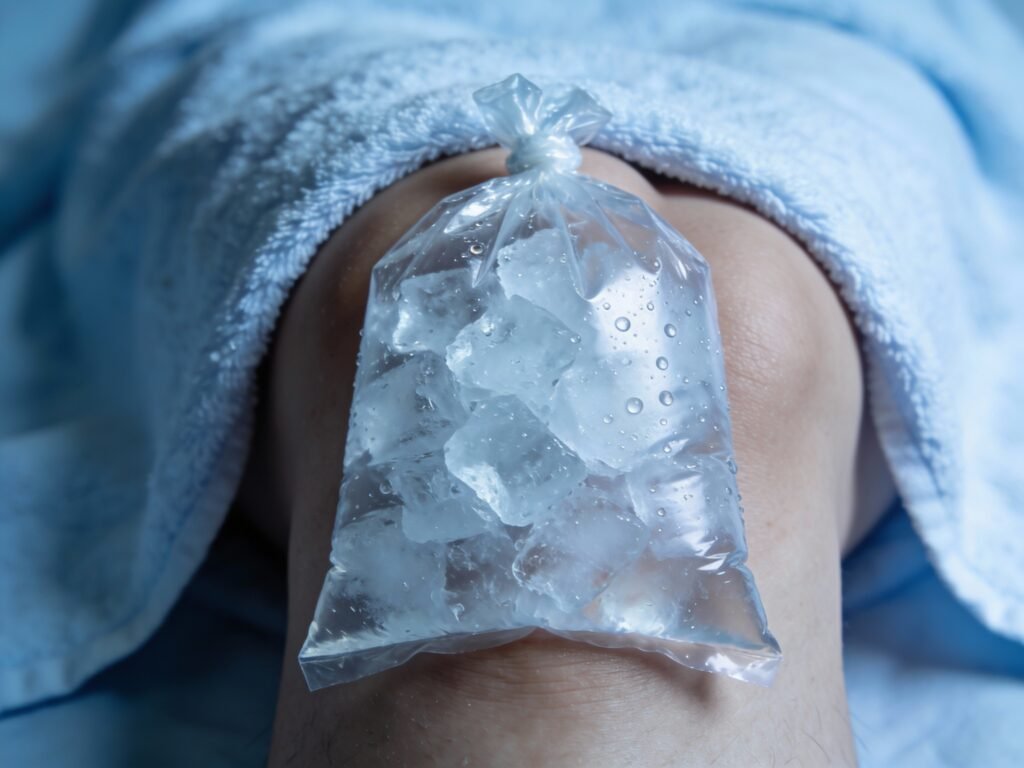
Injuries and sprains from sports occur much more frequently than we anticipate, often in the course of a hard exercise, an easy game, or an accidental slip. The first thing that people seek after suffering injuries is Ice, and they do so for the right reason. The use of ice, or cryotherapy, is one of the most trusted methods of reducing swelling and pain in the beginning. However, the confusion really starts when you ask yourself how long to apply ice to the injured area. What is the best frequency to do it? Making sure the right timing is crucial since the proper timing of treatment with ice can dramatically accelerate the healing process. Why Ice Works So Well for Fresh Injuries When a muscle or ligament is injured, the body switches into defence mode, which causes inflammation and swelling. This is normal; however, too much swelling may slow the healing process. The ice helps in constricting blood vessels, decreasing inflammation and delivering the sensation of numbness that relieves the pain. It’s a straightforward method but extremely effective during the beginning days following injuries. How Long Should You Apply Ice? Many experts suggest sticking to the 15-minute time limit.This period is just right to allow the tissue beneath the skin, yet short enough to keep frostbite from occurring or irritation. Why should we not make it longer? The first 20 minutes of prolonged cooling may slow the healing process due to the effect it has on blood flow. Making sure that your cooling sessions are controlled will allow you to enjoy the benefits without any issues. How Often Should You Ice a Sprain or Strain? Ice therapy can be beneficial during the initial 48 to 72 days. It is at this point that the swelling has reached its greatest, and prompt action could be noticeable in reducing the swelling. An effective schedule includes: Every 2-3 Hours A frequent icing session in the beginning stage ensures swelling stays at a manageable level. In case of injuries such as ankle sprains, pulls on the hamstrings or shoulder strain, this method can provide considerable relief. Suggested Timeline If the pain or swelling continues after the third day, it’s best to seek out a doctor rather than relying on remedies that you can make at home. Safe Ways to Apply Ice Make sure to protect your skin with a wrap around the packs with a towel or cloth. Gel frozen ice bags, crushed ice, as well as a bag full of frozen vegetables. The most important thing is gentle cooling. When Should Ice Therapy Be Stopped? Ice is recommended in the initial acute phase. After swelling has diminished and the pain gets more dull than sharp and painful, it is possible to gradually switch into heat therapy, or even begin prescribed exercises. Ice should not be used for use over long period of time unless recommended by a medical professional. Making use of ice properly can avoid problems and speed up recuperation. However, every injury is unique and getting advice from a qualified physiotherapist in Gurgaon can help you follow the correct procedures to heal. FAQs
Physiotherapy for Post-Cardiac and Thoracic Surgery Patients in Gurgaon

Recovery from a thoracic or heart procedure isn’t only one of the physical aspects; it’s also an emotional one, too. Following major surgeries like the bypass procedure, valve replacement, lung surgery or chest wall corrections, it is essential for the body to have patience, care, as well as the proper type of motion to recover. The physiotherapy profession becomes an essential part of the recovery process, aiding patients to breathe more easily as they move more comfortably and get back their confidence in their body. In Gurgaon, the city where medical treatment is readily available, Post-operative physiotherapy is now the most important aspect of a safe and smooth rehab procedure. Why Physiotherapy Matters After Surgery Helping the Body Bounce Back Thoracic and cardiac surgeries temporarily reduce lung capacity, causing muscle weakness, making any movement feel a little fatigued. The physiotherapy approach reverses the effects of these surgeries by slowly strengthening the muscles and breathing patterns, as well as assisting with overall physical performance. What Recovery Focuses On The goal of a well-designed rehabilitation program is to What Physiotherapy Includes 1. Breathing & Chest Care After a heart or chest operation, breathing may appear strained or shallow. The therapist guides patients through simple breathing exercises that are calming, such as breathing diaphragm, controlled exhalation as well and airway clearing techniques. They help to expand the lungs, ease the congestion and help prevent infection. 2. Gentle Movement & Early Mobilisation Simple activities like sitting up, standing, walking and so on play major roles in early recuperation. The physiotherapists make sure these activities are performed safely and without tension, which helps prevent stiffness and blood clots. 3. Gradual Strength Training As healing improves, light exercise routines for strengthening can be included. The exercises help strengthen muscles that have been damaged due to surgery or rest, allowing patients to get back to their balance and stamina slowly and comfortably. 4. Cardiac Rehab Workouts Heart patients can benefit from controlled exercise routines like slow walking steps, step exercises, and activities that do not cause any impact. The heart can learn how to function efficiently to improve long-term recovery. 5. Pain Relief Techniques The discomfort that comes after surgery is normal; however, it shouldn’t be the reason to delay recovery. Therapists utilise hot, cold, as well as soft tissue mobilisation and guided stretching techniques to reduce the pain and allow for movement to be more relaxed. Why Gurgaon Is Ideal for Post-Surgery Physiotherapy Gurgaon is the home of many of the most skilled experts in physiotherapy across India. If patients want clinic-based therapy or prefer to receive treatment in the privacy of their own home, the city has each option with a professional supervisor. Treatment plans that are tailored to each patient, advanced equipment and constant monitoring make sure that each stage of healing is treated in a professional manner. Some centres can also advise patients on lifestyle modifications as well as safe fitness habits, as well as long-term health care maintenance, since healing doesn’t end when surgical wounds heal. With the help of a skilled physiotherapist in Gurgaon, patients can get back to their normal lives stronger as well as more secure and secure. FAQs
Home-Based Post-Surgical Physiotherapy Services Available in Gurgaon
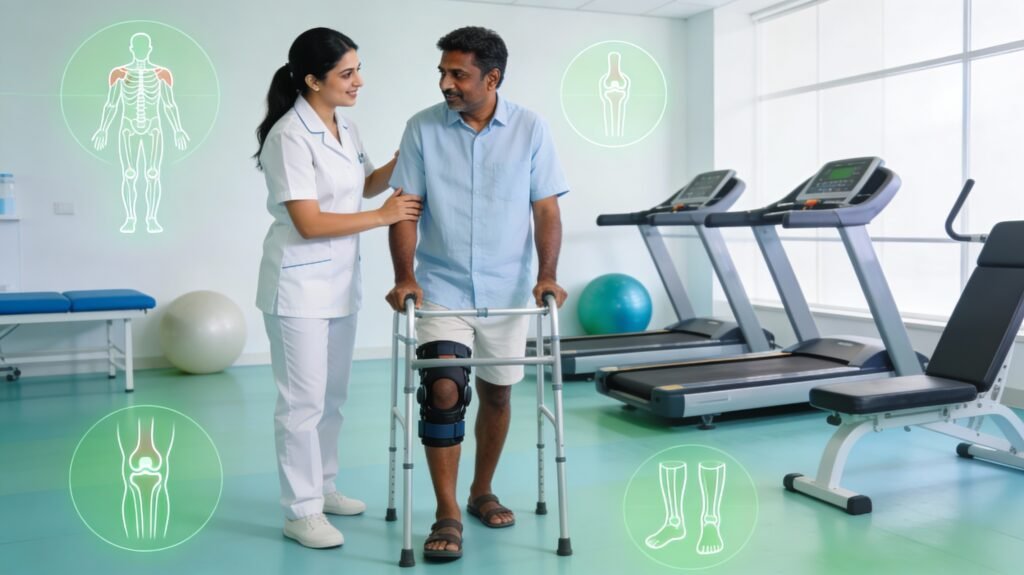
Recovery from surgery isn’t only concerned with medical care, it’s also about comfort, care and a steady direction. Many people living in Gurgaon who leave home following surgery can find it difficult, and even extremely risky. It’s the reason why post-surgical physiotherapy in your home is a well-known choice. By bringing expert treatment right to your doorstep, Patients can recover at home in their familiar surroundings and not have to worry about travelling to a hospital. Why Post-Surgical Physiotherapy Is So Important The Role of Rehab in Recovery After any major operation, it is essential that the body receives the time to recover and correct movement to build fitness. The physiotherapy treatment helps to reduce discomfort, increase range of motion, increase flexibility, and help ensure that healing of the surgical area proper manner. If rehabilitation is not guided, it is often slowed or unfinished. Who Should Consider Home Physiotherapy? Rehab at home is especially beneficial in the following areas: Surgeries That Commonly Require Home Physiotherapy Orthopedic Surgeries Treatments such as hip and knee surgery, spinal surgeries and ACL repair, as well as fracture treatment, rely heavily on physiotherapy in getting back movement and strength. Cardiac Surgeries Following heart surgery, easy breathing exercises and breathing techniques assist patients to gradually rebuild the strength and confidence they lost. Neurological Surgeries People recovering from brain or nerve surgeries typically require assistance in regaining the balance, coordination and control of movement. Abdominal & Thoracic Surgeries The surgeries may affect the way you breathe, posture, as well as overall mobility. These are areas where physiotherapy can play a significant role. Why Home-Based Physiotherapy Helps You Heal Better Comfort Makes a Difference Home treatment allows patients to be more comfortable as they feel secure and feel emotionally supported, all contributing to quicker recovery. Lower Stress, Lower Risk Travelling less can mean less stress on the body as well as a lower chance of sustaining an infection or injuries in the beginning stage of recovery. Focused Attention The therapist at home ensures that the therapy therapist is fully committed to your needs, growth, and also your satisfaction. Family Participation Friends and family members can take part in the exercises and also learn to assist the patient during sessions. This helps make the recovery process more predictable. What You Can Expect From Home Sessions The typical session could consist of: Every treatment plan is custom-made according to the surgery of patient, health, and speed of recovery. Home Physiotherapy in Gurgaon – A Reliable Support System Gurgaon has an extensive group of physiotherapists trained to be experts in post-surgical rehabilitation. Modern techniques, mobile equipment, and individual treatment, at-home therapy make recovery easier and manageable. If you’re in search of a reputable physiotherapist in Gurgaon, the home-based treatments offer ease of use and high-quality clinical care in front of you. FAQs
Best Jaw Exercises for TMJ Pain Relief and Mobility
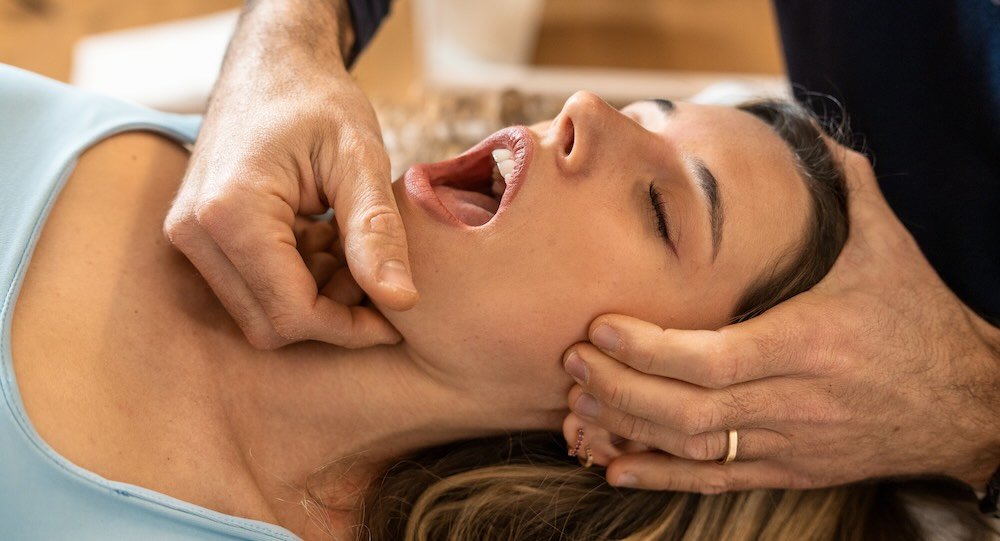
If you’ve felt any tension or stiffness within your jaw, particularly when eating, speaking, or even yawning, you could be suffering from the TMJ (Temporomandibular Joint) problem. This tiny, but vital joint is what connects your jawbone to the skull. If it is irritated or strained, it may cause pain or clicking sounds as well as headaches. What’s the positive side? If you do the proper Exercise & Fitness Physiotherapy in Gurgaon, it is possible to reduce discomfort, increase jaw motion and return to being normal. What Causes TMJ Pain? TMJ issues can be caused by various stressors and routines. Common causes include: Individuals suffering from TMJ issues often have signs like jaw pain, tightness or difficulty opening the mouth completely or making popping noises as they speak or chew. However, gentle exercises may aid in getting rid of these issues. Best Jaw Exercises to Relieve TMJ Pain Here are a few easy and powerful exercises you could practice at home to help relieve jaw pain and enhance its mobility. 1. Relaxed Jaw Exercise This exercise can help loosen the jaw and ease excessive tension. 2. Goldfish Exercise (Partial Opening) This is a fantastic technique to enhance jaw movement as well as control. 3. Chin Tucks This workout helps to correct bad posture, which can put tension on the jaw. 4. Side-to-Side Jaw Movement This can help strengthen jaw muscles as well as increase your flexibility. 5. Controlled Mouth Opening Tips to Manage TMJ Pain Naturally Just a few lifestyle modifications will help you recover faster and more enjoyably: When to See a Physiotherapist If jaw pain doesn’t disappear or continues to recur, is time to consult a professional physiotherapist in Gurgaon. A physiotherapist who is skilled physiotherapist can assess the severity of your TMJ issue, help you through the right exercises and employ methods that are hands-on to loosen the muscles that are tight and allow for natural jaw movements. If you take the proper care of your jaw, the majority of patients experience improvements in comfort and ease of movement in a matter of weeks. Frequently Asked Questions (FAQs)